
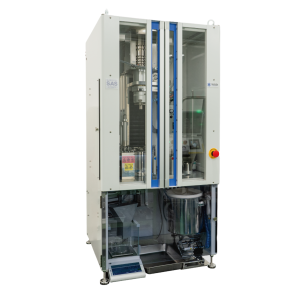
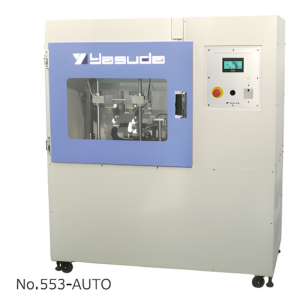
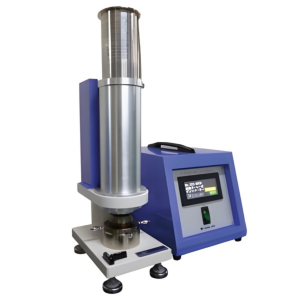
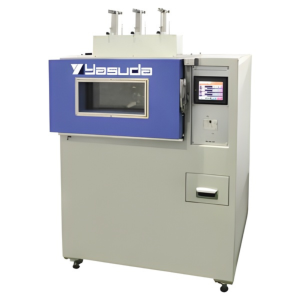
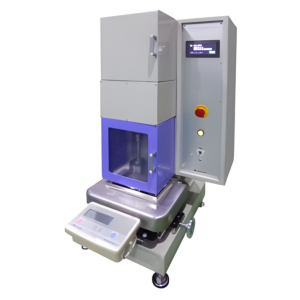
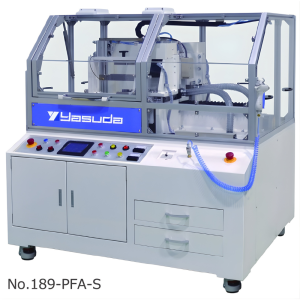
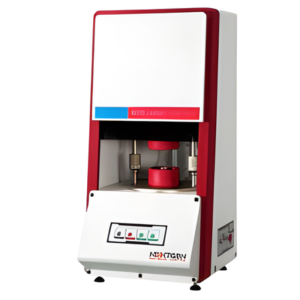
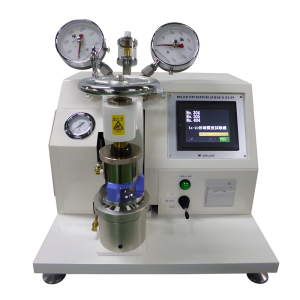
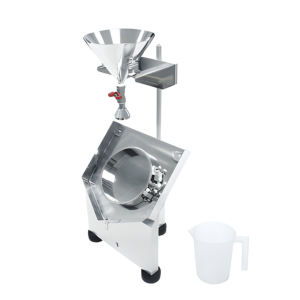
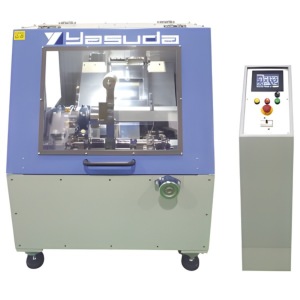
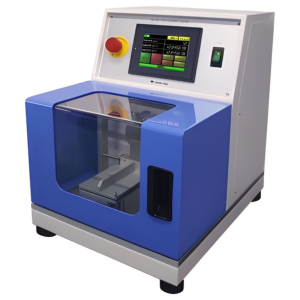
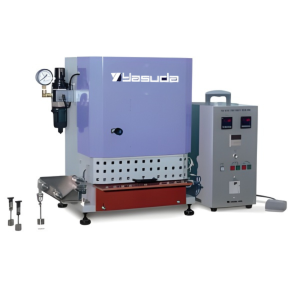
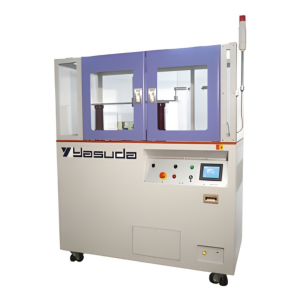
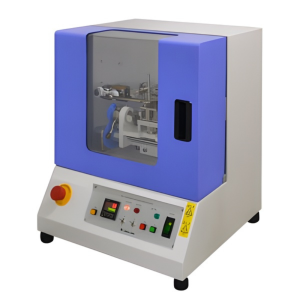
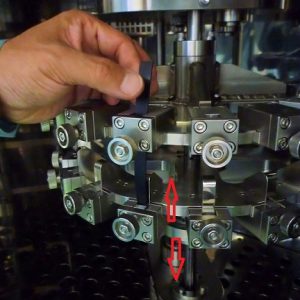
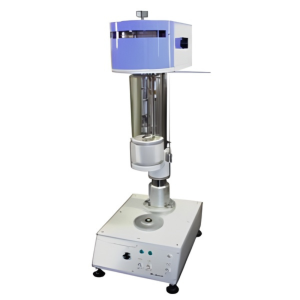
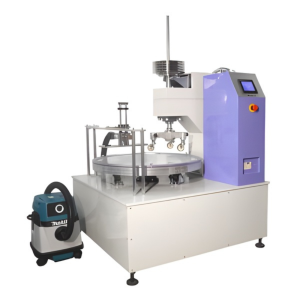
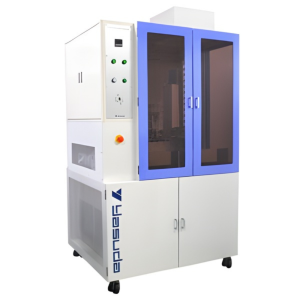
No.120-SAS Yasuda Seiki is Semi auto melt flow index tester, Semi auto MRI designed to measure the flow rate of molten plastics (MFR/MVR). It features a robotic arm system that handles the entire process—from sample loading, application of test weights, and cutting of the extruded plastic strand, to the cleaning of the test barrel. The instrument complies with ISO 1133-1, ASTM D1238, and JIS K7210-1 standards. Engineered to minimize operator-induced variability, it is suitable for testing plastics in various forms, including pellets, flakes, powders, and films.
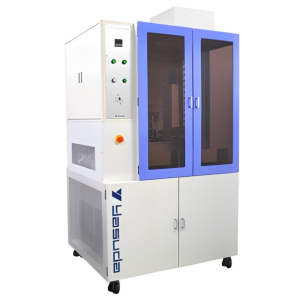
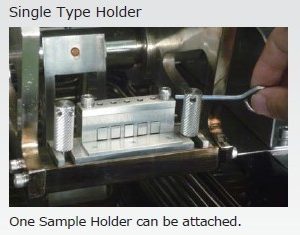
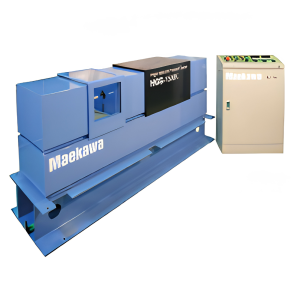
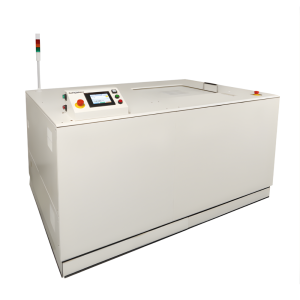
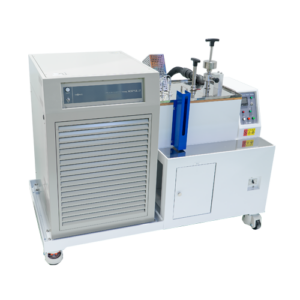
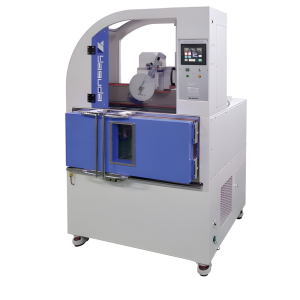
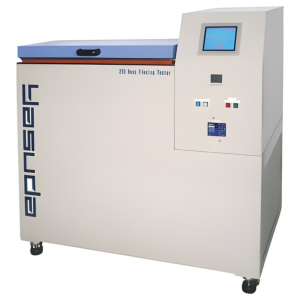
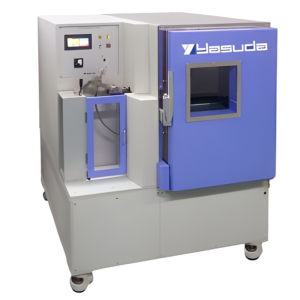
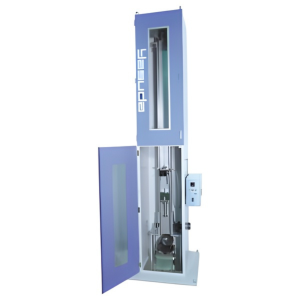
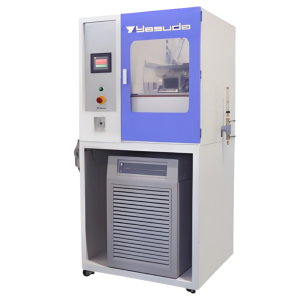
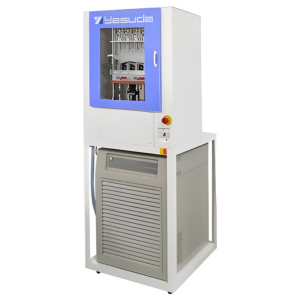
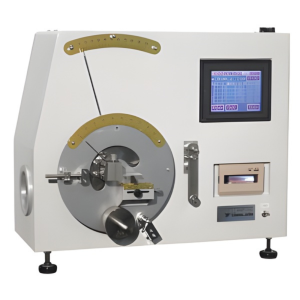
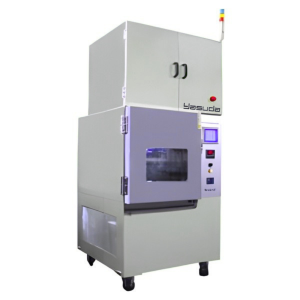
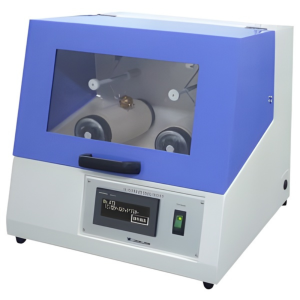
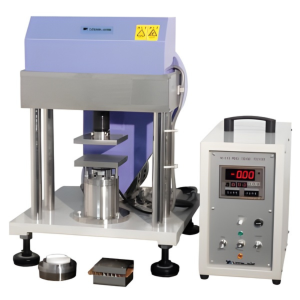
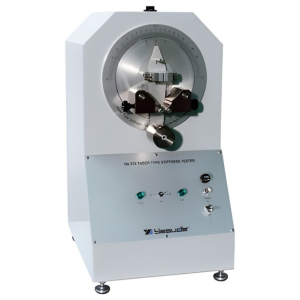
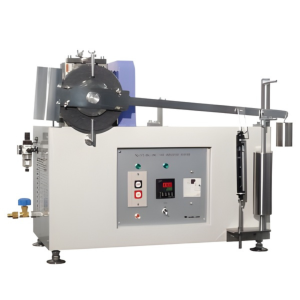
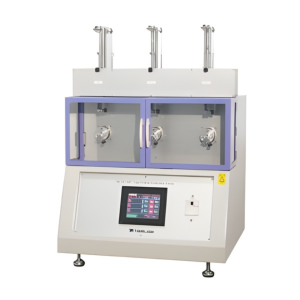
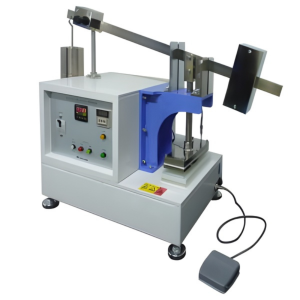
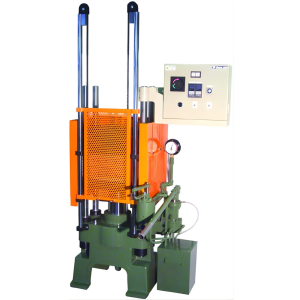
Low-temperature material fracture testing machine is used to assess the cold resistance of materials such as rubber or wire insulation when subjected to impact at low temperatures (brittleness point).
The features a highly efficient cooling system (with options for dry ice or a refrigerator), and an automatic model (No. 121-Auto) capable of continuously testing up to 200 samples, saving time and increasing analysis accuracy.
มาตรฐาน JIS C3005, K6261, K6723, K7216, ASTM D746, D2137, ISO 812, 974
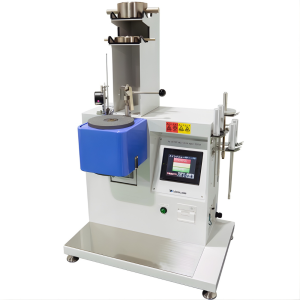
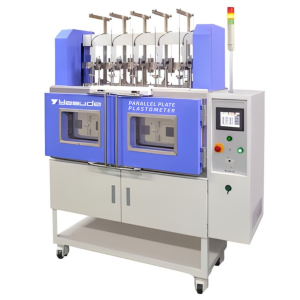
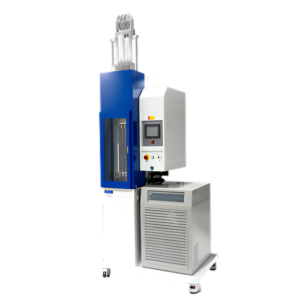
MFI Melt Flow index in production Issues such as unstable injection pressure, workpiece warpage, or inconsistent plastic quality between batches are often caused by variations in. Melt Flow Rate No.120-FWP (Melt Flow Index Tester) is a manual-operation instrument designed for determining MFR/MVR values. It utilizes an encoder-based displacement measurement system with a resolution of 0.0018 millimeters and supports data analysis via graphical plots.
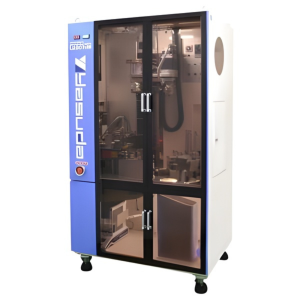
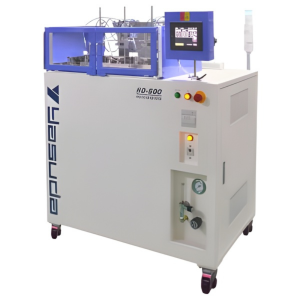
A fully automated melt flow index tester—the top-tier model in the melt flow testing series—utilizes a robotic mechanism to enable continuous, unattended testing of multiple samples. It can process up to 50 samples in a single run; the system offers a choice of three magazine sizes (accommodating 12, 24, or 50 samples), facilitating overnight operation. The instrument is designed to measure the Melt Flow Rate (MFR) of molten plastics and also supports the determination of the Melt Volume Rate (MVR).In accordance with test methods defined by JIS, ISO 1133-1, and ASTM D1238 standards, this solution is ideal for plastics manufacturing plants, resin producers, and quality control laboratories looking to enhance testing efficiency through automation.
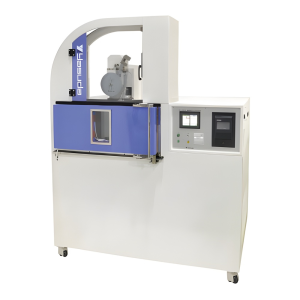
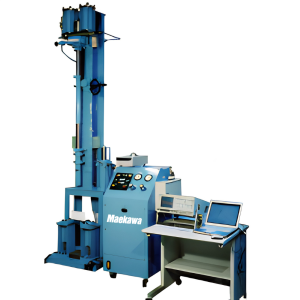
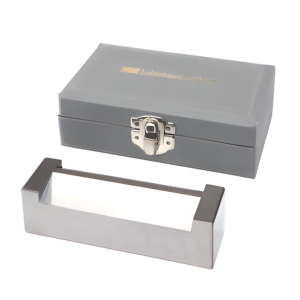
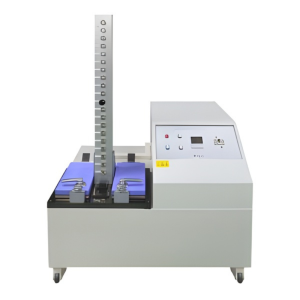
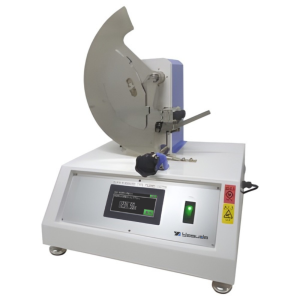
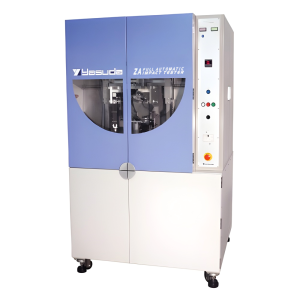
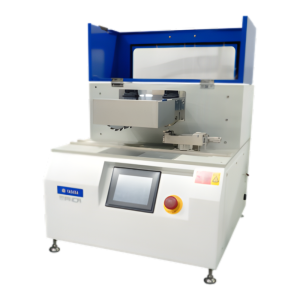
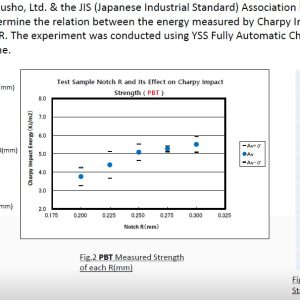
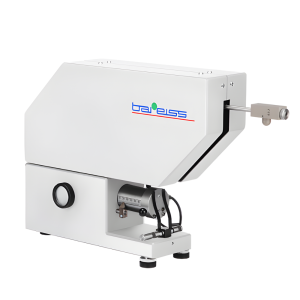
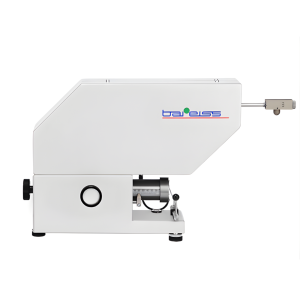
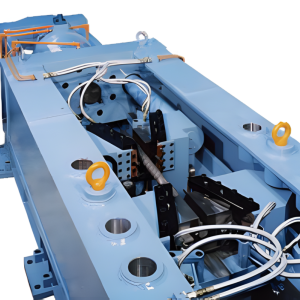
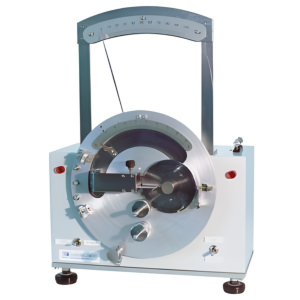
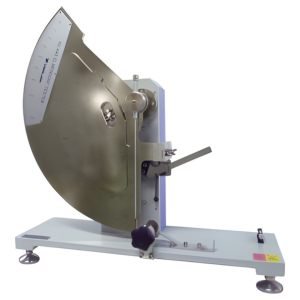
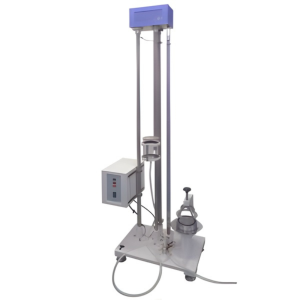
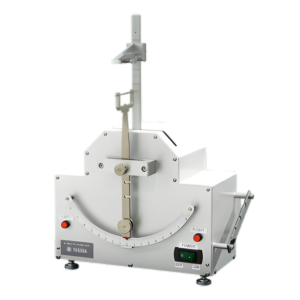
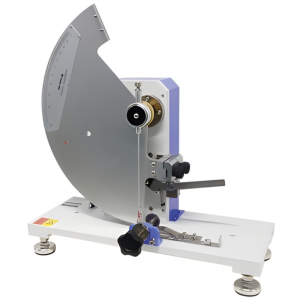
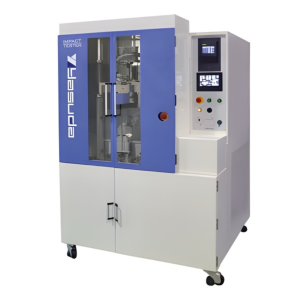
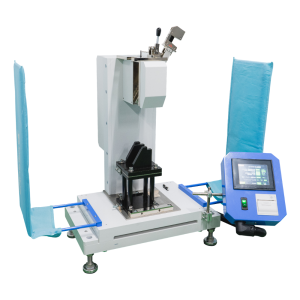
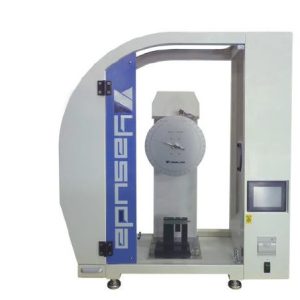
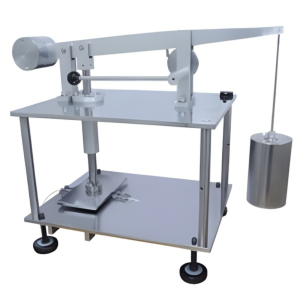
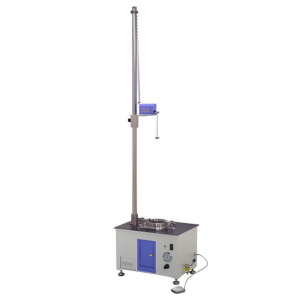
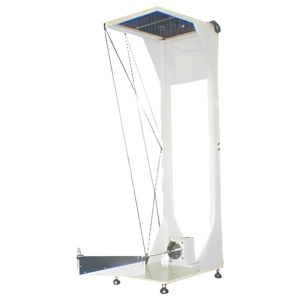
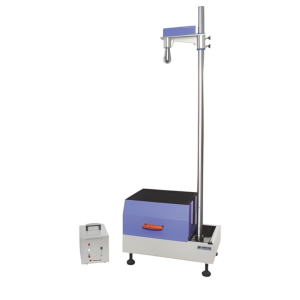
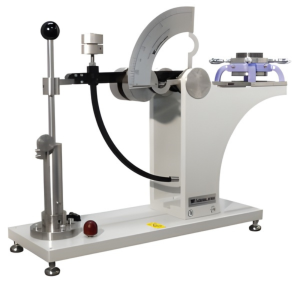
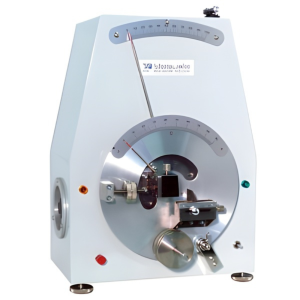
The principle of the impact test is that a hammer swings and strikes the specimen at a specified height. The specimen has a V-shaped notch. The impact energy (the energy required to fracture, deform, or break the specimen) is measured to evaluate the material's strength. The energy absorbed by the specimen to fracture it is measured.
The greater the strength, the higher the energy absorption upon impact. Therefore, samples that can absorb more energy will be stronger and more resistant to shock, in accordance with ISO 13802 and JIS B7739 standards.
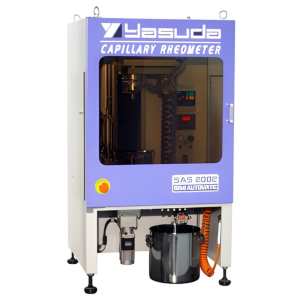
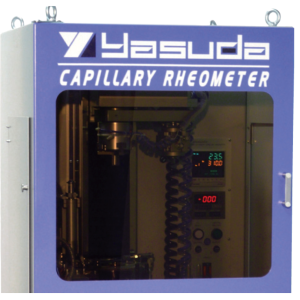
The machine tests the flow properties of molten plastic during the molding process. It can measure the viscosity of the molten material, which is crucial for forming plastic parts through injection molding or extrusion.
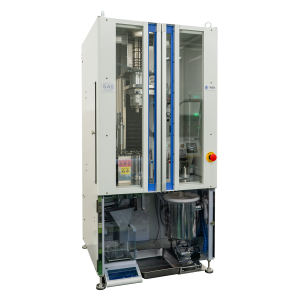
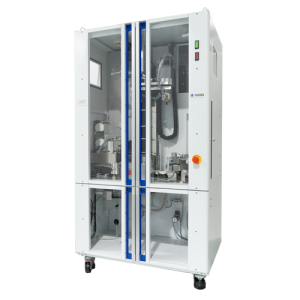
Plastic Flow Rate Testing This is a method for testing and measuring the flow properties of polymers in a molten state, with controlled pressure and temperature to simulate the molding process.
In the forming process, the sample is poured and melted in a heated cylinder, then extruded from the mold. The flowability test (Melt Flow Test Help simulate and simplify processes for use in plastic extrusion molding. MFR Therefore, it is commonly used as a basic index for controlling the quality of plastic materials.
(MFR Melt flow rate, expressed in grams per10 Minute And (MVR Melt flow rate, expressed in cubic centimeters/10 Minute
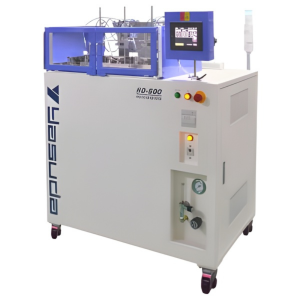
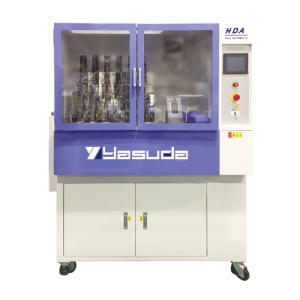
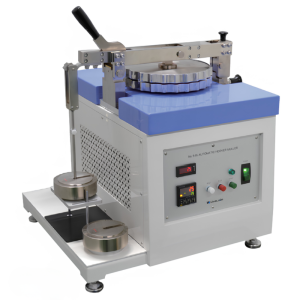
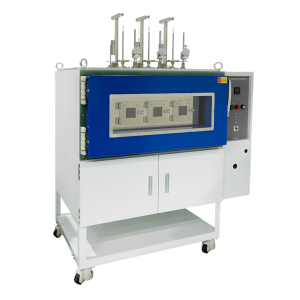
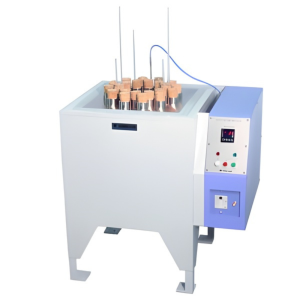
เครื่องทดสอบอุณหภูมิการบิดตัวและความอ่อนตัวของพลาสติก HDT/DTUL วัดอุณหภูมิที่พลาสติกเกิดการอ่อนตัวและเกิดการโก่งงอภายใต้ได้รับแรงกดคงที่ เพื่อหาอุณภูมิใช้งานที่วัสดุยังคงรูปและใช้งานได้อย่างมีประสิทธิ์ภาพ
Vicat Softening Temperature (VST) คือ อุณหภูมิที่หัวกดเจาะไปในชิ้นงานทดสอบลึก 1 มิลลิเมตร ภายใต้แรงกดและอัตราการให้ความร้อนที่กำหนดไว้
DTUL – Deflection Temperature Under Load Test คือ อุณหภูมิที่วัสดุจำพวกพอลิเมอร์หรือพลาสติกเริ่มเกิดการโก่งตัว (Deflection) ถึงระยะที่กำหนด
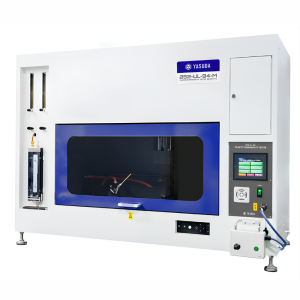
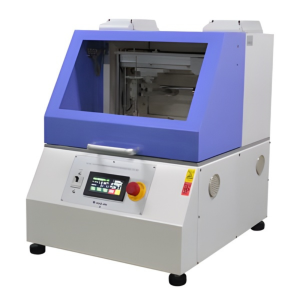
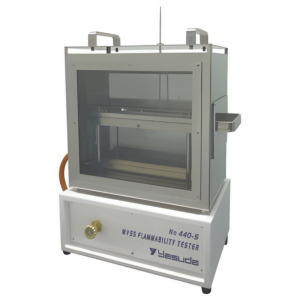
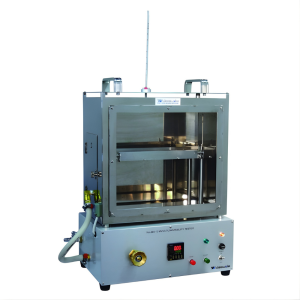
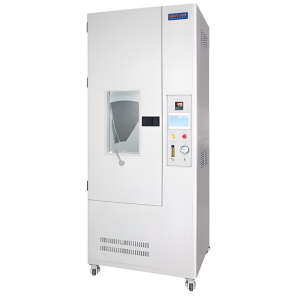
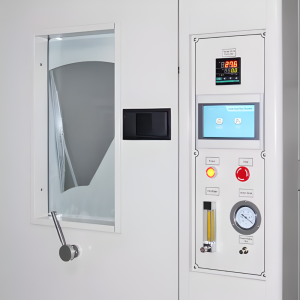
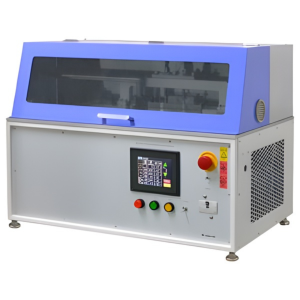
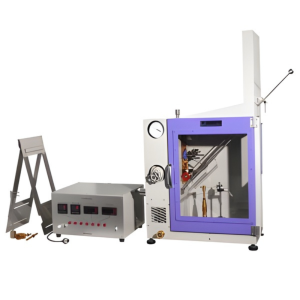
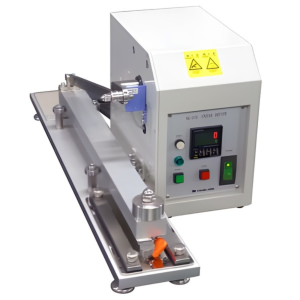
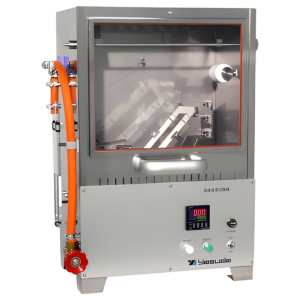
flammability tester for plastics evaluates flame spread rates and heat resistance in accordance with UL 94 and ISO 1210 standards. Equipped with a touchscreen interface and a jog dial (or joystick), the system allows operators to manage both the positioning of the burner—including distance adjustments—and the observation of the specimen’s burning behavior. The device features automated timing control and provides on-screen testing guidance, which helps minimize human error; once a test is complete, data can be processed directly via the touchscreen.
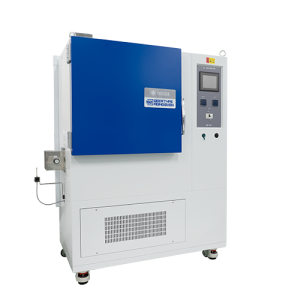
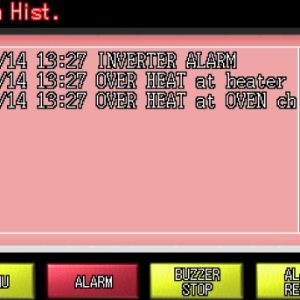
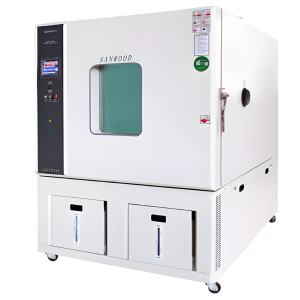
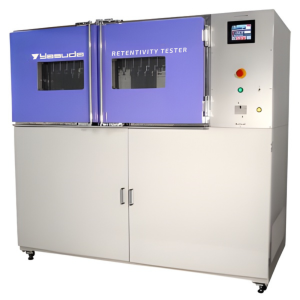
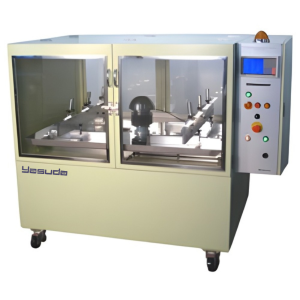
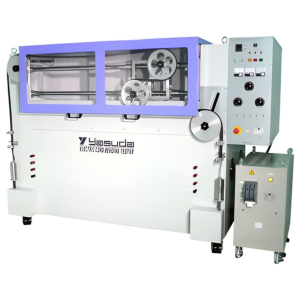
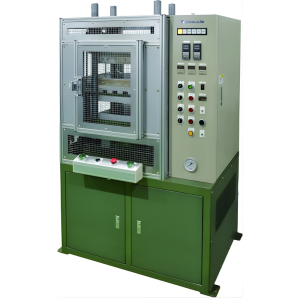
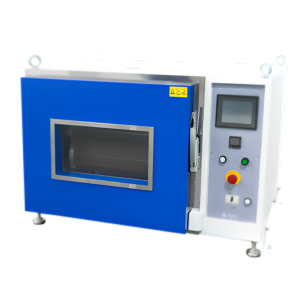
Thermal aging tester for rubber, geer oven , plastics, and wire insulation—utilizing a forced-air circulation(gear-driven) aging oven—that controls temperature, air exchange rate (3–60 air changes per hour), and air velocity. The unit features a rotating specimen platform (operating at 7–10 rpm) and is designed to analyze the durability and stability of polymeric materials under long-term accelerated thermal aging with circulating air, enabling the prediction of the material's actual service life.
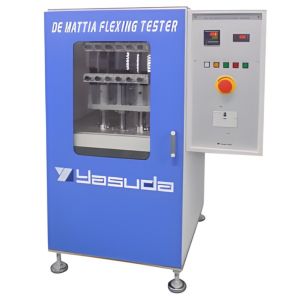
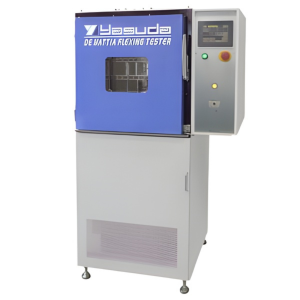
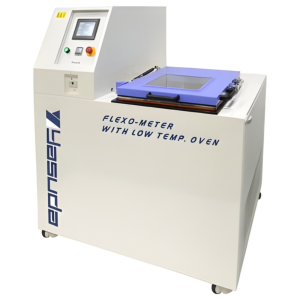
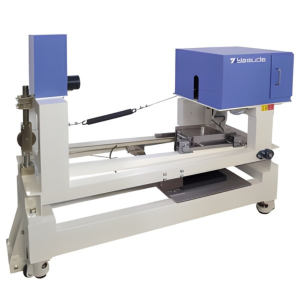
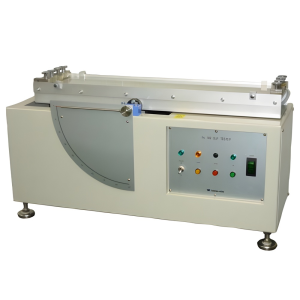
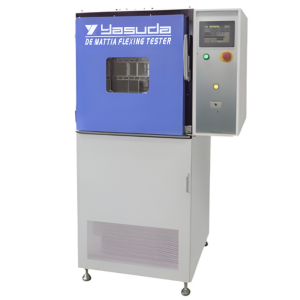
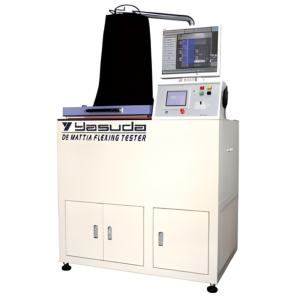
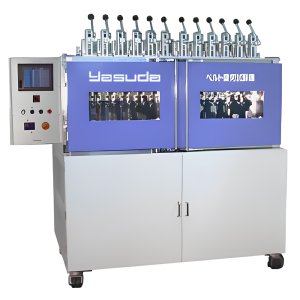
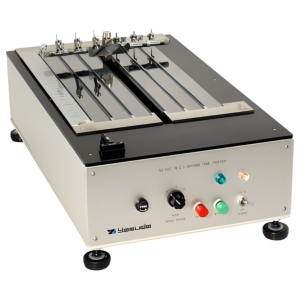
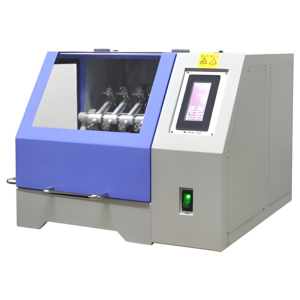
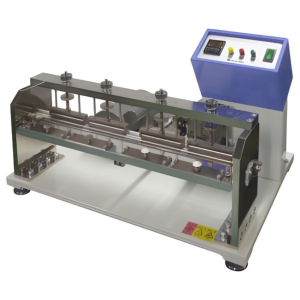
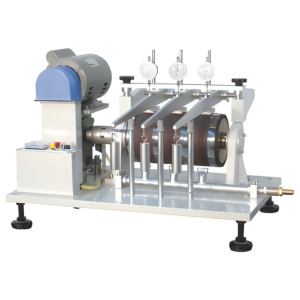
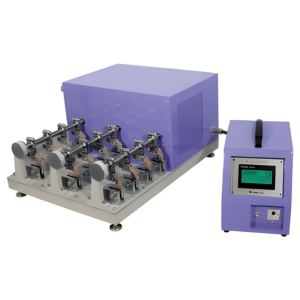
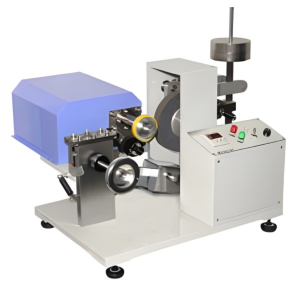
DE MATTIA FLEX-CRACKING AND CRACK GROWTH TESTER, Fatigue Crack Growth This is a test for material fracture caused by bending a specimen and studying crack growth to predict the service life of the material. When materials are subjected to uniform stress, study the fracture and damage of the specimen and predict the performance and service life at various times. According to JIS-K6260, ASTM D813, BS-903, and ISO 132 testing standards
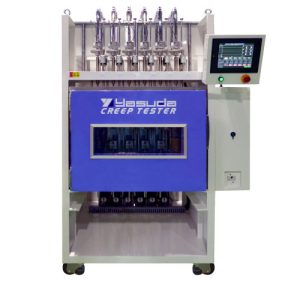
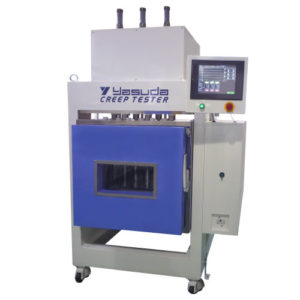
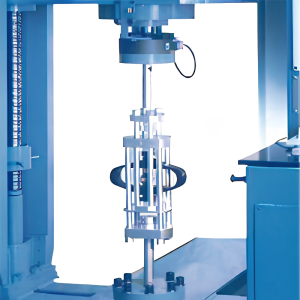
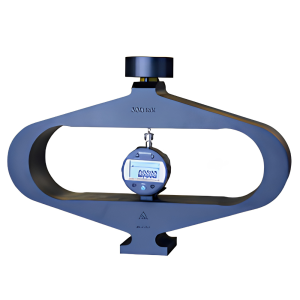
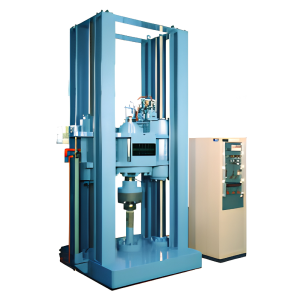
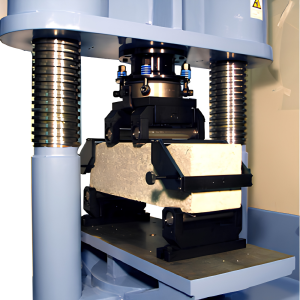
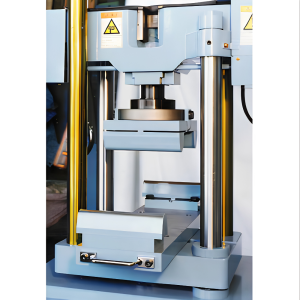
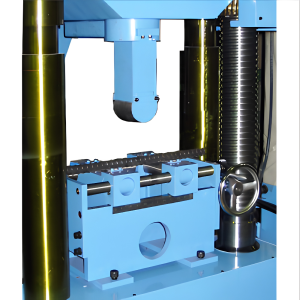
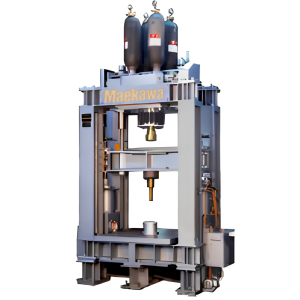
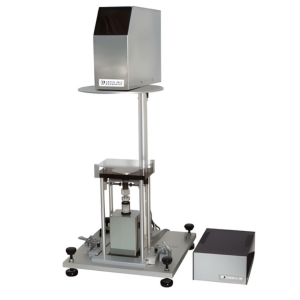
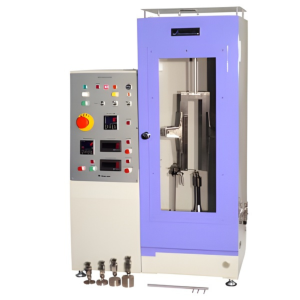
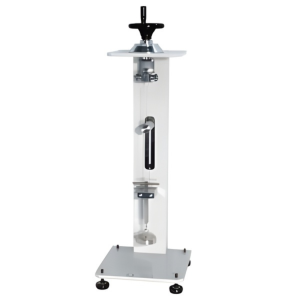
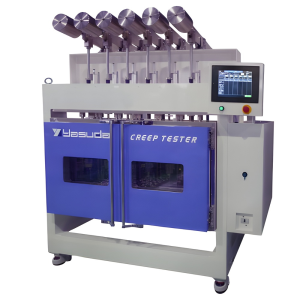
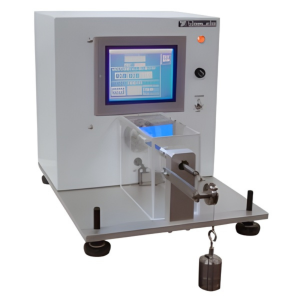
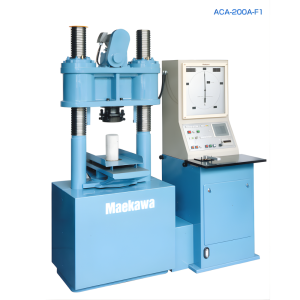
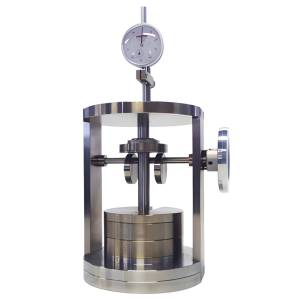
Creep testing of materials or deformation under temperature and constant tensile, compressive, or bending forces to evaluate the strength and thermal durability of materials over extended periods, in order to predict the service life of those materials.
Examples of workpieces include automotive parts, engineering materials, aircraft, and boilers, among others.
According to JIS K7115, ASTM D2990, ISO 899-1 (CREEP TEST), JIS K6263, ISO 3384 (STRESS RELAXATION TEST) standards


 Contact Us
Learn More About Us